Healthy eating in Italy: between perceived wellness and clinical reality
Insights from the Metropolitan Observatory of Milan Healthy eating in Italy
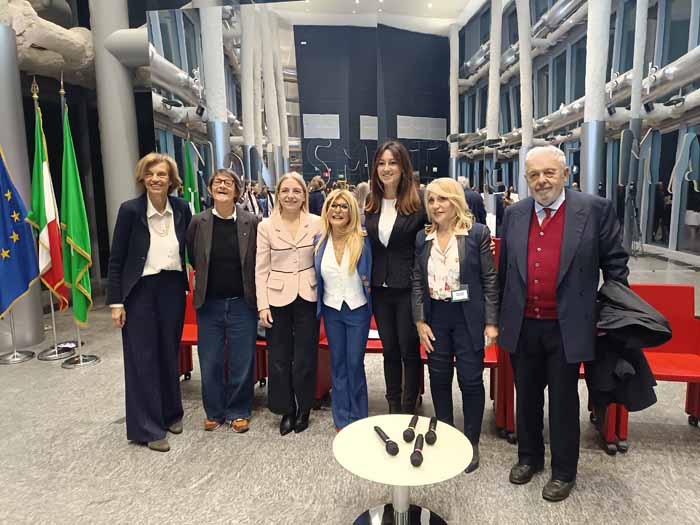
Many Italians consider themselves health-conscious and believe they follow a balanced diet. But is this perception accurate? The survey “Eating Habits of Italians and Nutritional Education”, conducted by the Metropolitan Observatory of Milan in collaboration with Renato Mannheimer, reveals a significant gap between self-perception and clinical reality. Presented yesterday at Regione Lombardia in the presence of Elena Lucchini, Regional Councillor for Family, Social Solidarity, Disability and Equal Opportunities, the report featured contributions from leading experts and institutional representatives:
- Renato Mannheimer – Sociologist and survey curator
- Carla De Albertis – Head of Social and Cultural Affairs, Metropolitan Observatory of Milan
- Costanza Alvisi – Director of Digestive Endoscopy, ASST Pavia
- Evelina Flachi – Nutritionist, President of the Italian Foundation for Nutritional Education (F.E.I.)
- Annarosa Racca – President of Federfarma Lombardia
- Rosaria Iardino – President of The Bridge Foundation
What Italians think about their diet at the table
The survey paints a picture of widespread nutritional awareness, though often limited to intentions rather than consistent behavior. Key findings include:
- 90% of Lombards and 87% of Italians claim to be health-conscious
- 57% of Lombards and 54% of Italians believe they eat a balanced diet
- Only 7% admit to overeating, and 6% say they eat too little
- 42% of Lombards consider themselves “very attentive” to their diet, compared to 37% nationally
- Interest in preservative-free products (70%), local foods (69%), and organic options (52%) is growing
- 59% cook at home, 40% favor traditional Italian recipes, and 27% reduce animal protein intake
These figures suggest a growing sensitivity to healthy and sustainable food choices, but not always backed by consistent habits. The gap between perceived and actual behavior remains a critical issue for nutritional education policies.
The language of health is widespread – but not enough
Italians appear increasingly inclined toward conscious choices:
- 70% prefer preservative-free products
- 69% seek locally sourced foods
- 52% opt for organic products
- 59% prepare meals at home
- 40% use traditional Italian recipes
- 27% reduce animal protein consumption
Yet, as Carla De Albertis notes, “The survey measures attitudes, not behaviors”.
Clinical data reveals a concerning discrepancy.
Clinical reality: rising rates of obesity, diabetes, and cancer
 According to Costanza Alvisi (ASST Pavia), poor diet is a leading cause of:
- Diabetes
- Obesity
- Cardiovascular disease
- Cancer – especially colorectal cancer, with 50,500 new cases reported in Italy in 2023
The intestinal microbiota, heavily influenced by diet, plays a key role in chronic inflammation and obesity. Gastroesophageal reflux disease, also linked to poor eating habits, affects 25% of adults and can evolve into precancerous conditions.
Childhood obesity and overweight: the Lombardy case
 Evelina Flachi, President of F.E.I., presented alarming official data on childhood obesity and overweight in Italy, with slightly lower rates in Lombardy. Her analysis highlighted:
- 4 in 10 adults in Lombardy are overweight or obese, with higher prevalence among men (52%) than women (34%)
- Childhood obesity is rising: 6.1% in 2025, up from 4.7% in 2019 (UNICEF and ISS report “Il peso è giusto?”)
- Around 700,000 Lombards live with diabetes, closely linked to excess weight
Dr. Flachi emphasized that many nutrition-related diseases stem from a misinterpretation of the Mediterranean diet, which is not about deprivation but about understanding nutrients, variety, balance, and moderation. She also stressed the cultural and social value of conviviality in improving dietary quality and psychological well-being.
Scientific evidence confirms the importance of microbiota balance, which is shaped by diet and influences the risk of obesity, chronic inflammation, and metabolic disorders. Promoting healthy lifestyles and nutritional education is essential to reduce the incidence of chronic and oncological diseases.
Pharmacies as community health hubs
 During the conference, Annarosa Racca, President of Federfarma Lombardia, highlighted the strategic role of pharmacies as frontline health services. With over 800,000 daily visits, Lombardy’s pharmacies are among the most accessible and trusted resources for health promotion and primary prevention.
Dr. Racca noted that pharmacies are no longer just places to dispense medication—they are integrated health service centers offering:
- Free screenings for chronic conditions like diabetes, hypertension, and obesity
- Nutritional counseling and educational campaigns
- Telemedicine and remote monitoring services
- Distribution of health materials and lifestyle support
In partnership with Regione Lombardia, Federfarma has launched several initiatives, including the “Farmacia dei Servizi” project, aimed at strengthening the connection between citizens and the healthcare system through personalized, accessible interventions.
“Pharmacies are the first point of contact for many people, especially the most vulnerable,” Racca stated.
“That’s why they must be actively involved in promoting healthy eating and spreading good practices. Prevention doesn’t happen only in hospitals—it starts with what we put on our plates”.
Institutional and social commitment
Since 2017, Regione Lombardia has promoted the right to food, supporting the recovery and redistribution of surplus food for vulnerable populations. Councillor Elena Lucchini emphasized the importance of educating people about food origins and its social significance.
Rosaria Iardino (The Bridge Foundation) added:
“Nutrition-related issues disproportionately affect the most fragile communities. Institutional support must be concrete and inclusive”.
Healthy eating in Italy: more education is needed
The survey confirms that while Italians are increasingly attentive to their diet, they are often not sufficiently informed. Primary prevention through nutritional education, healthy lifestyles, and scientific awareness is key to reducing the burden of chronic and oncological diseases.

Alessandro Trani
Direttore editoriale del network Le Roy. Coordina contenuti e progetti multimediali delle testate del gruppo. Leggi di più