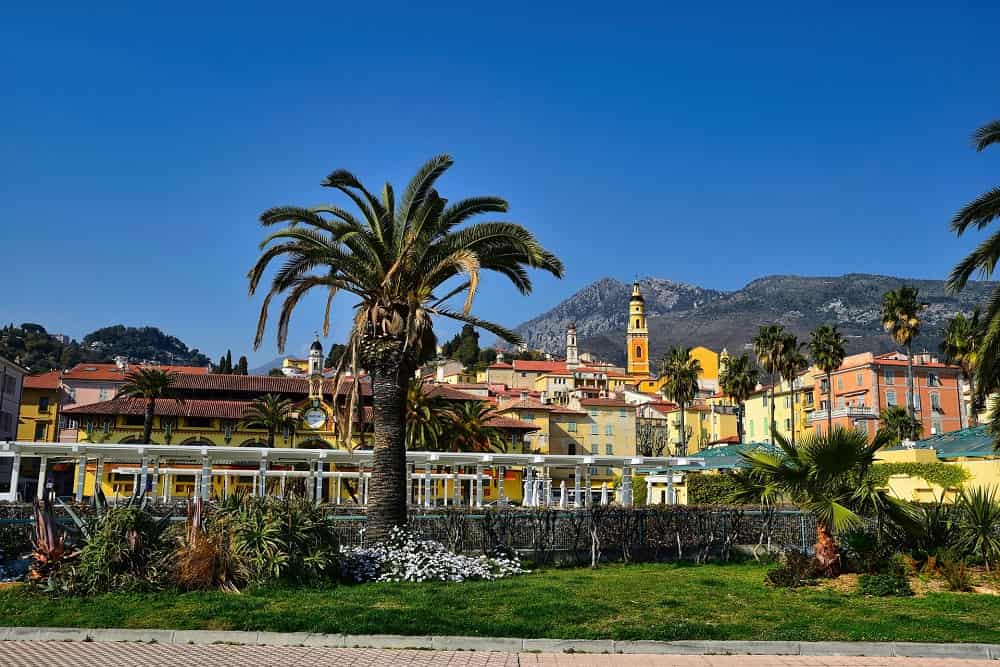
Every year, Menton, the pearl of the French Riviera, celebrates the Saint Michael Feast, its patron saint, on September 29. This deeply rooted event blends religious devotion, Mediterranean culture, and centuries-old traditions, attracting both pilgrims and visitors from across the Riviera.
Origins and traditions of the Saint Michael Feast
Devotion to Saint Michael dates back to the Middle Ages, when Menton, often exposed to maritime invasions, chose the archangel as its protector. In the 13th century, the first chapel was dedicated to him, and processions began marking the patronal feast. These customs, influenced by both French and Italian heritage, have been passed down through generations.
Religious program of the Saint Michael Feast
The celebrations begin with a preparatory novena from September 20 to 28, featuring daily Mass, evening rosary, and perpetual adoration. On September 29, the day culminates with:
- a solemn Mass at 10:30 a.m., presided over by the bishop,
- a grand procession through the historic center at 4:00 p.m.,
- the blessing of the city and the sea, followed by an evening Te Deum.
Culture and gastronomy in Menton
Beyond the liturgical celebrations, the feast is also a cultural festival. Menton hosts sacred music concerts, religious art exhibitions, artisan markets, and folklore performances. Local cuisine takes center stage, with specialties such as Menton IGP lemon tart, barbajuans, sweet fougasse, socca, and pissaladière.
The procession: the highlight of the celebration
The September 29 procession is the most moving moment: religious brotherhoods in traditional attire, musicians, faithful, and visitors accompany the statue of the archangel through the old town, down to the harbor, and back to the baroque Basilica of Saint Michael.
A living heritage for the community
More than a religious feast, the Saint Michael Feast strengthens Menton’s identity. It highlights local heritage, boosts tourism, and fosters community cohesion. Balancing sacred and cultural elements, French and Italian traditions, it remains a vibrant symbol of continuity for the city.