Peony, the Queen of flowers
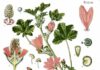
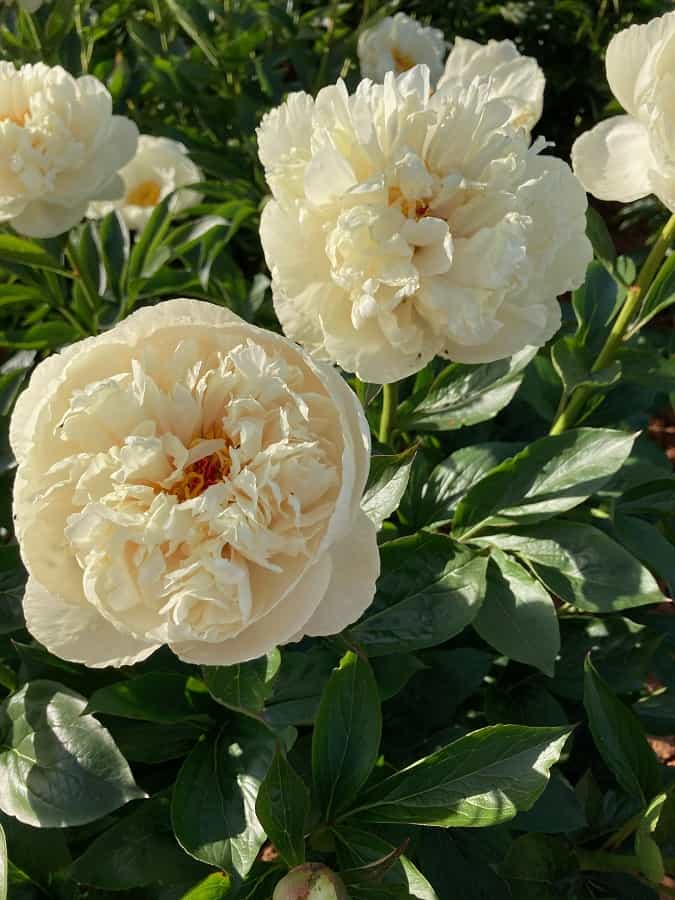
May is the month of the year symbolizing blossoming and rebirth. While the rose, considered its symbolic flower, is the undisputed protagonist, the flower that manages to draw a bit of attention away from it is the peony, aptly nicknamed “thornless rose” in Europe. Longevity, ever-changing beauty, and voluptuous fragrance are the three fundamental elements that have crowned the peony as the “Queen of Flowers of the Celestial Empire.” It was designated “queen” by an ancient legend rooted in China, and it is still regarded as such today.
As a flower that mediates happiness and fortune, it also symbolizes love, prosperity, fidelity, and peace in relationships. According to traditional Chinese beliefs regarding the complementarity of opposites, the peony has a positive influence on both women and men in terms of living together in harmony. It is also at the center of numerous myths and legends in Greek mythology. However, it does not solely represent the emblem of ancient legends; it has long been cultivated for both ornamental and medicinal purposes.
Properties
Thanks to its medicinal virtues, the peony is among the numerous protagonists in traditional pharmacopoeias: the parts used for medicinal purposes are the root and, less commonly, the flowers and seeds. The Greeks used it as a general pain reliever and an excellent remedy for insomnia and epilepsy. Modern phytotherapy focuses on its sedative and analgesic properties, such as in the treatment of neurasthenic states, agitation, anxiety, neuralgic forms, and migraines. It seems that the peony can block the action of molecules produced by the body that can trigger muscle cramps.
Additionally, it is attributed with the ability to prevent blood clotting. Formulations for topical use are prepared from peony flowers, which are particularly rich in anthocyanins, flavonoids, and tannins. These are indicated for treating fistulas and anal fissures associated with hemorrhoids. The essential oil derived from petals and roots is recommended for treating convulsive coughs and spasms. This plant is also valuable in cosmetics: its root yields phytoextracts with significant antioxidant, moisturizing, and soothing efficacy.
Warnings
The peony is believed to potentially induce abortion by stimulating uterine contractions and menstrual flow. For this reason, its use during pregnancy may be contraindicated. It may also be contraindicated for individuals with bleeding disorders, as it seems capable of slowing blood coagulation. Furthermore, due to the lack of certain information on the safety of its use during breastfeeding, it is advisable to consult your doctor and pediatrician beforehand.
Published on 24orenews Magazine Maggio 2023

Other magical herbs…
- Peony (Paeonia officinalis): the “rose without thorns”
- Archangelica, the Angels herb
- Arnica montana
- Cedar of Lebanon
- Hieracium Pilosella
- Garden and gardening: how to make our neighbors jealous
- Ginseng: the human shaped plant
- Melagrana
- Myrrh history and benefits
- Schisandra chinensis, the berry of five flavors
- Verbascum helps combat seasonal ailment